Hiring Your First Employee in a Trade Business: Apprentice, Tradie or Labourer, and Can You Afford It?
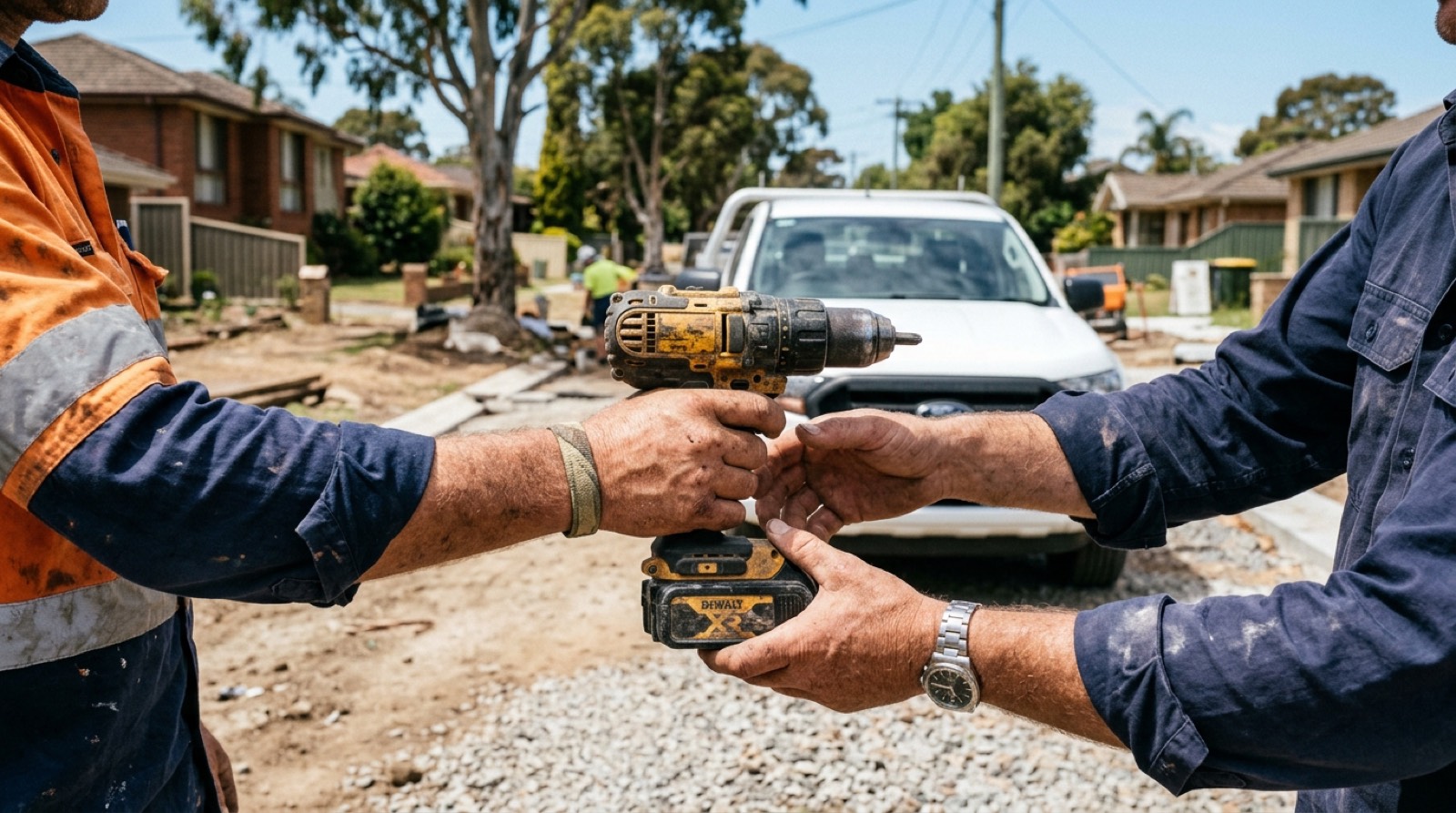
You can afford your first employee when the work they free you up to do earns more than they cost in total, and you have been turning away paid jobs for about three months. Not "flat out", not "busy". Turning work away. This guide covers the maths, apprentice versus tradie versus labourer, where good people come from, and the first 90 days.
How do you know you are ready to hire?
Busy is not the sign. Every tradie is busy. The sign is three months of saying no to work you wanted, or quoting high to make it go away. Three months rules out a seasonal spike.
Before you hire, count the jobs you turned away and estimate their value. As an example, if you knocked back four jobs a month averaging $3,000 each, that is roughly $12,000 a month of work sitting on the table. That number is what the hire has to help you capture.
Do not hire because you are tired. Exhaustion usually means you need better pricing or fewer small jobs, not a second pair of hands. Some owners should stay a one-person business and charge more. That is often more profitable than a team of three run badly.
What does an employee really cost beyond the wage?
The wage is the start, not the total. Your first hire costs you in at least six places:
- Super on top of ordinary earnings, at whatever the current guarantee rate is.
- Leave: annual leave, sick leave and public holidays you pay for without getting hours back.
- Insurance: workers compensation is compulsory, and your public liability may rise with a second person on site.
- Tools and PPE: the apprentice turns up with a pencil. You supply the rest.
- A vehicle or a seat in yours, with fuel, fit-out and more wear.
- Your supervision time, which is the one most owners forget to count.
Keep the figures general when you plan, and check the current award rates, super percentage and leave entitlements with Fair Work and the ATO. They change, and a contract is no place for a number from a blog post.
A simple affordability test
As an example, say the all-in cost of a qualified tradie, with super, leave, insurance and a share of a vehicle, comes to about $1,800 a week. Ask two questions. First, can you bill at least $1,800 a week of extra work because of them? Second, can you bill it every week, including the slow ones? If the honest answer to the second question is no, you are not ready, or you need a different kind of hire.
Apprentice, qualified tradie or subcontractor?
Each option solves a different problem. Pick the one that matches the work you are turning away.
Apprentice
Lower weekly cost, and you shape them from scratch. The trade-off is time. An apprentice needs you beside them for a long while, and they spend blocks at TAFE. Good if your pipeline is steady and you enjoy teaching. Bad if you need someone billable next Monday.
Qualified tradie
Billable fast and can run a job without you. Costs the most, and a good one is hard to find because the good ones are usually already working. Good if you are knocking back whole jobs, not just extra hands on your own jobs.
Labourer
Cheapest way to speed up the jobs you already have. They cannot work unsupervised on licensed tasks, so they do not grow your capacity to take on new jobs, they just shorten your current ones.
Subcontractor
No leave, no super in most cases, no commitment. You pay more per hour and you have less control over their standards and availability. Good for overflow, but a subbie who works only for you, full time, on your schedule may be an employee in law anyway. business.gov.au explains the difference.
Write the role down before you advertise
Most tradies hire a person and then work out the job. Do it the other way around. On one page, write:
- The five tasks they will do most days.
- What they must be able to do unsupervised in 90 days.
- Start time, finish time, and whether they drive.
- What a good week looks like, in your words.
- The pay band, checked against the award.
This page is your ad, your interview sheet and your first-week plan in one, and it stops you hiring a great bloke who is wrong for the role. Builders who work through this in coaching for builders usually find the hard part is deciding what they will stop doing themselves.
Where do good tradies actually come from?
Rarely from a job board. In order of where the best first hires tend to come from:
- Referrals from your suppliers, your subbies and other tradies who see people work every day.
- Your own subbies, the one who always turns up on time, who might prefer a steady wage.
- TAFE, where teachers know which students show up and which do not.
- Customers, who sometimes have a son, daughter or neighbour looking for a start.
Tell ten people you are hiring, in the words on your one page, before you spend a dollar on an ad.
The first 90 days: induction and a weekly check-in
Here is the honest caveat. Your first hire will make you slower for the first two months. You will explain things, redo things and answer the phone while watching their hands. Plan for it and keep the diary light after they start.
A simple induction
Day one: site safety, where everything lives in the ute, how you want a job set up and packed down, and how to talk to a customer. Put safety in writing and keep it. Safe Work Australia sets out your duties as the person running the site. Days two to five: they shadow you and do the parts you point at.
A weekly check-in
Fifteen minutes every Friday: what went well, what went wrong, what they will do unsupervised next week. Write three lines so you both remember. This habit separates owners who keep staff from owners who go through four in a year. It is also the core of the team and workflow work in our Business Growth and Accountability program, because a good team can grow your business and a bad one can sink it.
What not to do when hiring your first employee
- Do not hire a mate. You cannot give a mate feedback and you cannot let a mate go. Hire a stranger on a trial period.
- Do not skip the written agreement. A letter of offer with the role, the pay and the probation period protects both of you. Fair Work has free templates.
- Do not pay cash. It is not a shortcut, it is a liability, and it leaves the person with no super and you with no cover if they get hurt.
- Do not hire with no systems. If how you quote, set up and invoice lives only in your head, the new person learns your bad habits plus a few of their own.
What to do this week
None of this costs money. Count the jobs you turned away in the last three months and value them. Write the one-page role. Tell ten people you are hiring. Read the Fair Work page on hiring employees so the pay and the agreement are right from day one.
If you want a second set of eyes on the maths before you commit to a wage every week, that is exactly what a scale session is for. Tamika co-owned a construction business and has made this call herself. Book a free scale session.
Frequently asked questions
Should my first hire be an apprentice or a qualified tradie?
Hire a qualified tradie if you are turning away whole jobs, and an apprentice if you need extra hands on the jobs you already have and your pipeline is steady. A tradie is billable almost at once but costs more and is harder to find. An apprentice is cheaper per week but needs months of your supervision and time away at TAFE.
How much does an employee cost on top of their wage in Australia?
Plan for super, paid leave, workers compensation insurance, tools, PPE and a vehicle on top of the wage, plus your own time supervising them. The exact super percentage, award rates and leave entitlements change, so check the current figures with Fair Work and the ATO before you set a pay rate or sign an agreement.
Is it cheaper to use a subcontractor than to hire?
Per hour, a subcontractor usually costs more, but you only pay when there is work, with no leave or super in most cases. The risk is control and availability. If a subbie works only for you, full time, on your roster, the law may treat them as an employee regardless of what you call them.
What is the sign I am ready to hire?
Turning away paid work for about three months straight is the sign, not feeling busy. Count the jobs you declined and estimate their value. If that lost work would cover the full cost of a hire every week, including quiet ones, you are ready. If it would not, fix your pricing or your job mix first.
Can I pay my first employee cash in hand?
No. Paying cash leaves the worker without super and leave, leaves you without workers compensation cover if they are injured, and exposes you to penalties from the ATO and Fair Work. Put them on the books from day one with a written letter of offer, a probation period and pay checked against the relevant award.